Advancing RNA technology requires not only world-class infrastructure and collaboration, but also the creativity and drive of emerging researchers. Across Aotearoa New Zealand, PhD students supported by the Platform are pushing the boundaries of what RNA can achieve, from vaccine design and cancer immunotherapy to AI-enabled discovery and molecular engineering. Together, their work reflects the depth of capability being built across the research ecosystem.
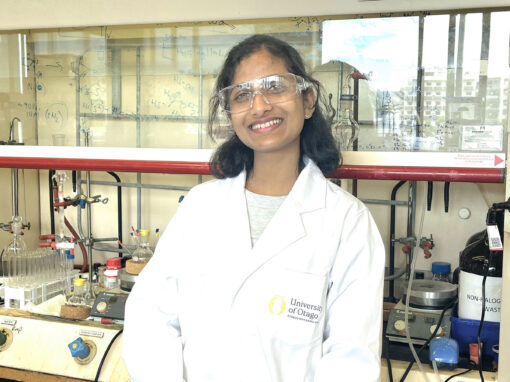
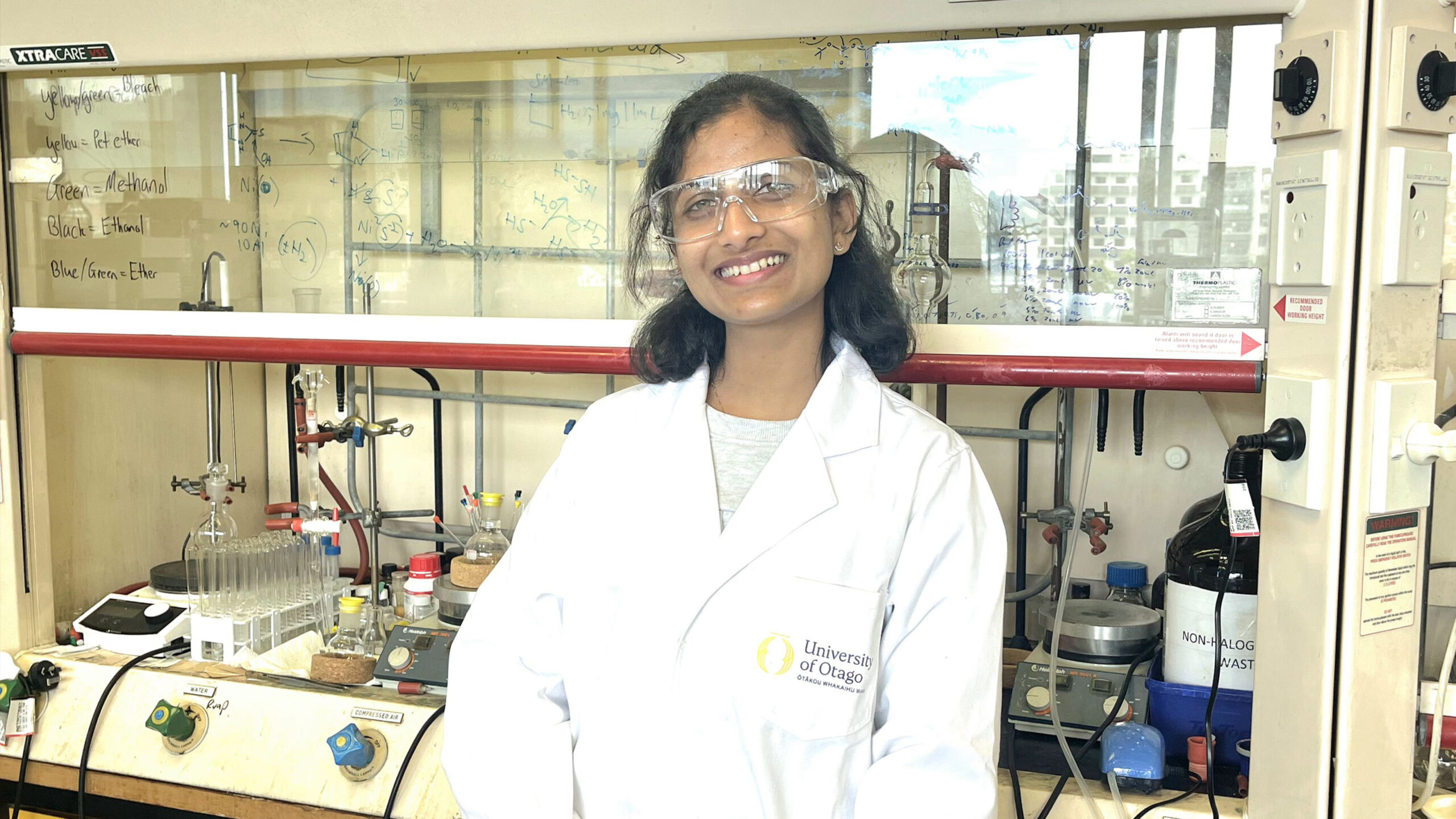
At University of Otago, Rintu Lalu recently began her PhD in the Department of Chemistry under Dr Nick Green. Originally from India, she completed her master’s degree at the Indian Institute of Science Education and Research (IISER Trivandrum). Her research focuses on developing chemical methods to functionalise oligonucleotides such as siRNA, mRNA, and antisense oligonucleotides. The aim is to improve their stability and therapeutic effectiveness while reducing immunogenicity and toxicity associated with traditional delivery approaches.
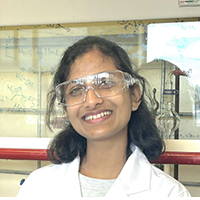
Rintu Lalu
Oligonucleotides (siRNA, mRNA) research
Supervisor: Nick Green, University of Otago
At Te Herenga Waka – Victoria University of Wellington, Ha Hoang brings a unique interdisciplinary perspective to RNA research. Originally trained as an AI engineer in Vietnam, she holds an Engineer’s degree in Information Technology and has a strong background in deep learning, multi-agent systems, and applied AI. Her current research focuses on applying artificial intelligence to the design and optimisation of RNA vaccine candidates. By leveraging advanced AI methods, her work aims to accelerate the development of more effective and precisely engineered RNA vaccines.

Ha Hoang
AI to optimise RNA vaccine candidate
Supervisor: Binh Nguyen, Alex Gavryushkin, Te Herenga Waka—Victoria University of Wellington
At University of Auckland, Mahnoor Ahmad is exploring innovative approaches to cancer immunotherapy. Originally a pharmacist from Pakistan, she holds an MPhil in Pharmaceutics. Her research uses siRNA to silence SIRPα in tumour-associated macrophages, with the goal of restoring macrophage-mediated phagocytosis in breast cancer. Delivered alongside standard chemotherapy and via targeted nanoparticles, this approach is designed to enhance anti-tumour immune responses while reducing off-target toxicities. Her work highlights the potential of RNA-based therapeutics to complement and improve existing cancer treatments.
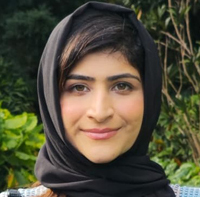
Mahnoor Ahmad
RNA-based therapeutics
Supervisor: Zimei Wu
University of Auckland
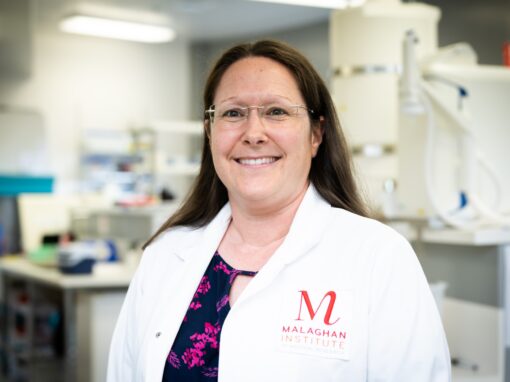
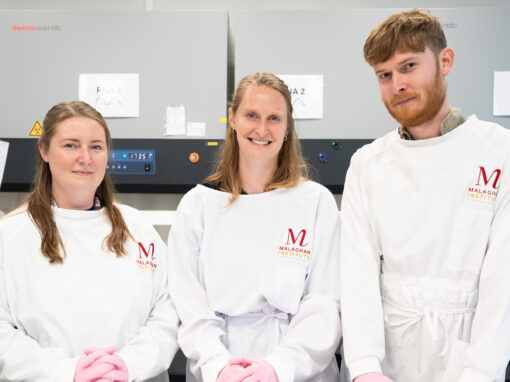
Circular RNA is an exciting next-generation RNA technology with a broad range of potential applications. Lydia's PhD project focuses on designing circular RNA vaccines to develop improved vaccines against Influenza virus. Circular RNA vaccines offer a range of advantages compared to linear RNA, which she hopes to leverage to fine tune immune responses and improve influenza vaccine efficacy. She is supervised by Dr Lisa Connor (Malaghan Institute of Medical Research) and Professor Wayne Patrick (Victoria University of Wellington). Work is being conducted in collaboration with Will Kelton (University of Waikato), Paul Gardner and Nadia Prasetyo (University of Otago).

Lydia White
Designing circular RNA vaccines to fine tune immune responses
Supervisor: Lisa Connor, Wayne Patrick, Malaghan Institute of Medical Research
These researchers represent the next generation of scientific leadership in RNA technology. Their work is not only advancing fundamental knowledge, but also contributing to the development of practical solutions with real-world impact. As the Platform continues to build end-to-end capability, their contributions will play a central role in shaping New Zealand’s position in the global RNA landscape.