Artificial intelligence is transforming the way researchers discover and develop new medicines. At the New Zealand RNA Development Platform, AI is becoming an important part of how we approach RNA therapeutics—helping researchers make smarter decisions, reduce experimental workload, and accelerate innovation.
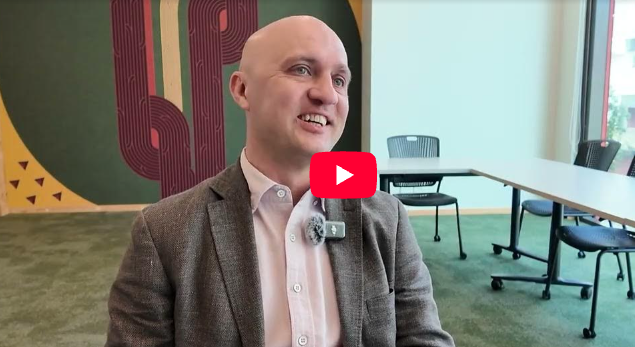
We spoke with Professor Alex Gavryushkin, an expert in AI-driven drug discovery, about his work and how AI is supporting the Platform’s research.
Meet Alex Gavryushkin
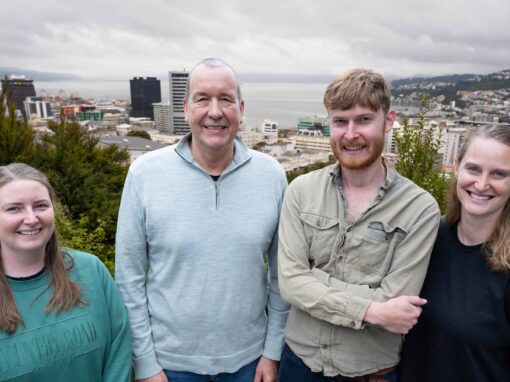
Alex combines expertise in computer science, mathematics and biotechnology to develop AI systems for drug discovery. His career has focused on applying advanced computational methods to biological challenges, with experience spanning academia, biotechnology and commercial drug development. Alongside his role as founder of an RNA-targeting drug discovery company, he is also a researcher at Te Herenga Waka—Victoria University of Wellington.
Looking Beyond Generative AI
While many people associate AI with tools like ChatGPT, Alex explains that AI for biomedical research serves a very different purpose. Rather than generating text or predicting biological structures alone, his team develops AI models that optimise multiple factors simultaneously—including efficacy, toxicity, manufacturability and the likelihood of clinical success.
This multi-objective approach allows researchers to identify drug candidates with the greatest overall potential instead of focusing on a single characteristic.
Why AI Matters for RNA Research
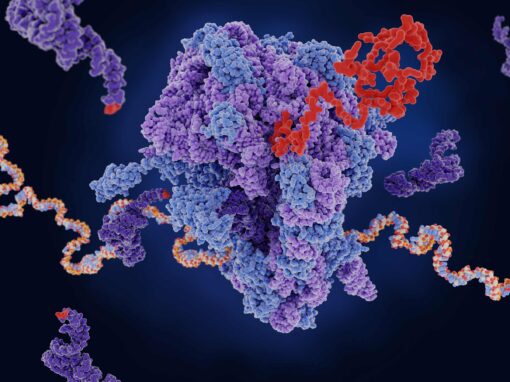
RNA biology is extraordinarily complex, involving countless interactions that are difficult for humans to evaluate on their own. AI enables researchers to analyse diverse datasets simultaneously, uncover patterns that would otherwise remain hidden, and prioritise the most promising therapeutic designs.
By combining biological knowledge with machine learning, researchers can make more informed decisions earlier in the discovery process.
Accelerating Discovery
One of AI’s greatest opportunities is reducing the number of laboratory experiments needed to develop new RNA medicines.
By learning from existing experimental data, AI can predict which molecules are most likely to succeed before they are synthesised and tested. This has the potential to significantly reduce time, cost and reliance on animal studies while allowing researchers to focus laboratory resources on the most promising candidates.
Building AI Capability Across the RNA Platform
Alex’s collaboration with the New Zealand RNA Development Platform focuses on identifying where AI can deliver the greatest value across multiple research pillars. Working alongside Platform researchers, the team is exploring opportunities to improve RNA optimisation, target identification, experimental design and other stages of the research pipeline.
The long-term goal is to embed AI into the Platform’s research workflows, helping scientists accelerate discovery while making better use of experimental data.
A Message for Researchers
Alex encourages researchers to engage with computational experts as early as possible. As biology becomes increasingly data-driven, integrating AI into research from the beginning can unlock new opportunities and improve research outcomes.
Rather than replacing experimental science, AI acts as a powerful partner—helping researchers ask better questions, design better experiments and bring new RNA therapeutics closer to patients.
Looking Ahead
The collaboration between AI researchers and the New Zealand RNA Development Platform represents an important step towards a more integrated approach to RNA research. By combining advanced computational tools with world-class biological expertise, the Platform is building capability that will help accelerate RNA innovation in New Zealand and beyond.